

The Marqués de Riscal winery at sunset, Elciego, La Rioja — site of a family wedding and a backdrop I will not soon forget.
I am writing this having just crossed the Atlantic back home. The past two weeks took me to Spain with my family — a wedding at the Marqués de Riscal in Elciego and a birthday celebration for my brother in Bakio. Both were joyful. Both were grounding. Both reminded me why we do the work we do: we show up for the people we love.
That is also why we show up for this specialty.
Coming home to a full inbox after time away is an occupational hazard. But what awaited me in this homecoming was something heavier. I had been waiting — as many of you have — for confirmed news about our colleague Dr. Christopher Tirce. That confirmation has come. And it is our honor to remember him here, properly, in the pages of the our newsletter.
🕯 In Memoriam: Dr. Christopher Tirce
Chair, Practice Management Committee | District 3 Director | September 29, 1978 – May 11, 2026
This issue includes a full tribute to Chris — with photos and remembrances — and I hope you will take a moment to read it. He deserves every word. What I want to say here, from me as your President, is simply this: Chris showed up for this society, year after year, without fanfare. He built things. He helped people. He made CSA better. That is a legacy worth honoring, and we do not take it lightly.
📍 WHERE WE’VE BEEN
On the Road: SAMBA 2026 & ASA LEGCON 2026
SAMBA Annual Meeting 2026
🔬 WHY IT MATTERS
Office-based anesthesia is growing. So are the regulatory gaps that leave OBA practitioners exposed. The Society for Ambulatory Anesthesia annual meeting was exactly the right venue to surface a problem that does not get enough national airtime: DEA controlled substance registration for multi-site office-based anesthesia practices.
📋 THE ISSUE
I presented on controlled substance handling in office-based anesthesia — and the discussion that followed confirmed what many of us already know on the ground: OBA practitioners who work across multiple offices cannot operate under a single DEA registration. They must obtain a separate DEA license for each practice location and maintain controlled substances at each site. For physicians delivering anesthesia care across multiple ambulatory settings, this creates significant administrative, compliance, and logistical burden.
The comparison that resonates: in 2014, veterinarians successfully lobbied for a DEA accommodation that addressed this exact problem for their practice model. Anesthesiologists attempted similar legislative action in 2021–2022. That effort did not pass.
“Veterinarians got it done in 2014. Anesthesiologists tried in 2021. We are not done trying.”
⚡ BOTTOM LINE
I am actively leading this effort. The SAMBA presentation opened the door to broader national conversation. This is a CSA advocacy priority that connects directly to the sustainability of ambulatory and office-based anesthesia practice in California. We will keep pushing. I am working with other SAMBA leaders from Illinois, Kansas, and Missouri and the ASA to get a legislative or regulatory fix for this problem.
ASA Legislative Conference 2026 — Washington, D.C.
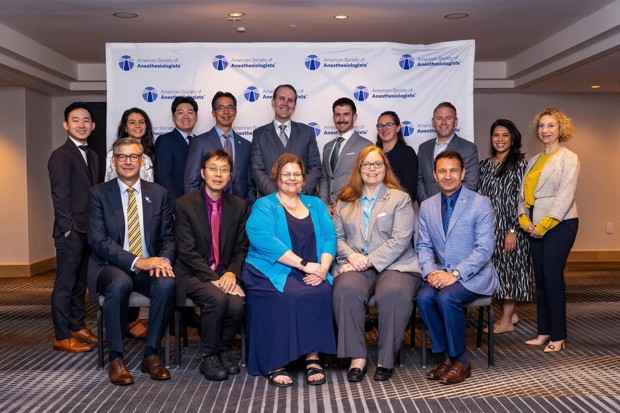
CSA leaders at ASA LEGCON 2026 — showing up on Capitol Hill for physician-led anesthesia care.
🏛 WHY IT MATTERS
Legislative conferences do not make headlines. They make relationships — and relationships move policy. This year’s ASA LEGCON brought CSA leaders to Washington at a critical moment for the specialty on multiple fronts.
🤝 ON THE HILL
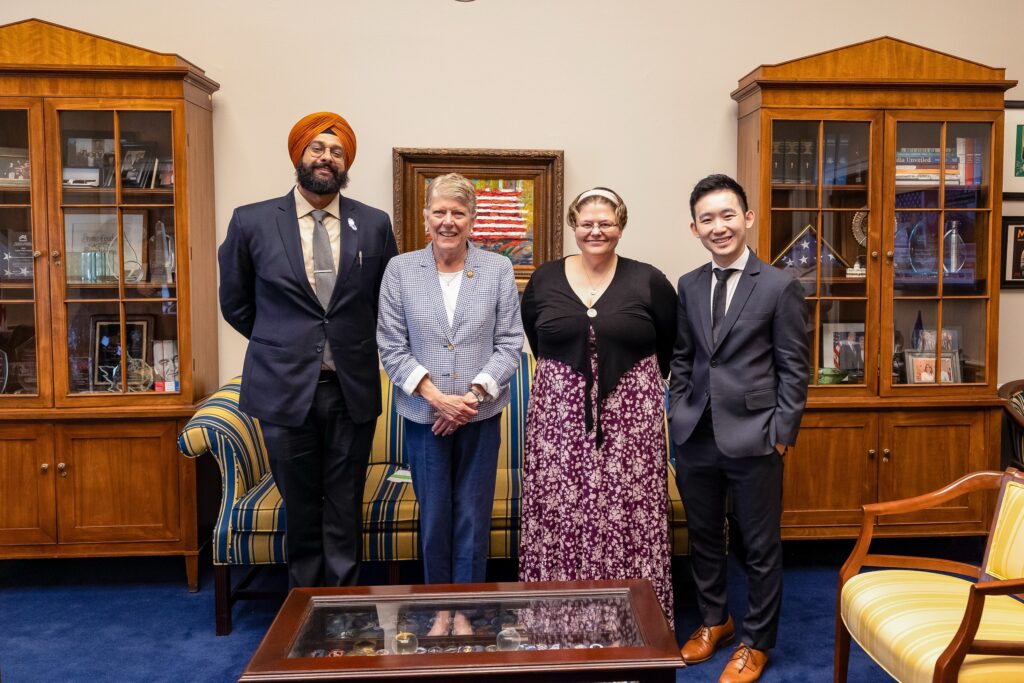
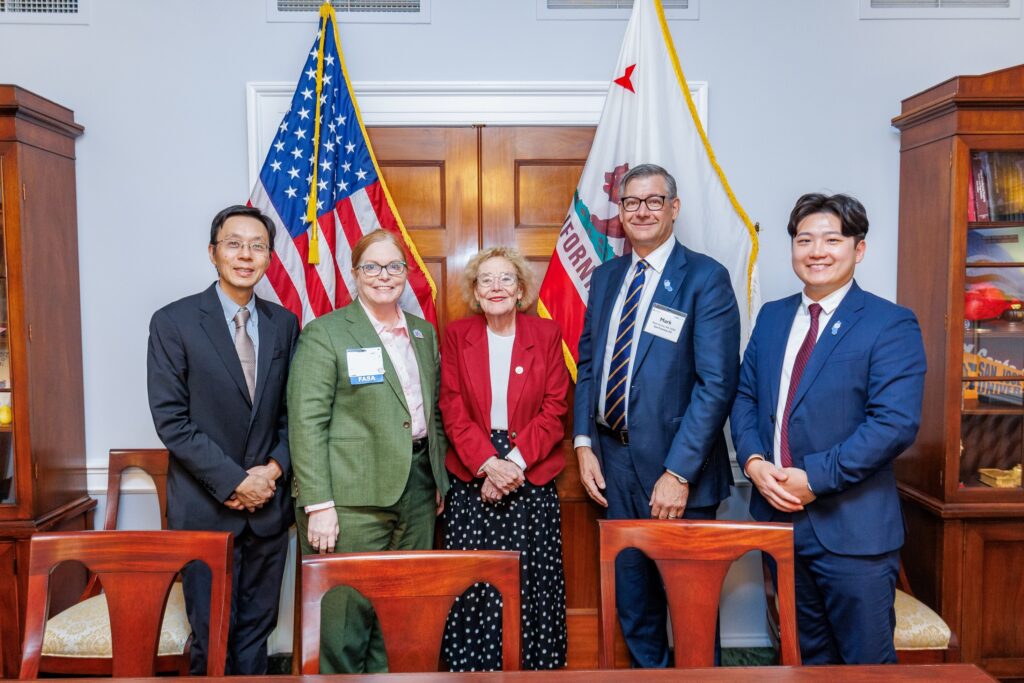
Our California delegation met with Representatives Julia Brownley, Jimmy Panetta, Zoe Lofgren, and Lou Correa. These are not cold meetings. They are ongoing relationships built on trust, a consistent California presence, and a clear, unified message from organized anesthesiology.
📌 KEY PRIORITIES
Physician-led anesthesia care in the VA. Our veterans deserve physician anesthesiologist involvement in their care. We made that case directly and will continue to do so.
No Surprises Act / IDRP accountability. The Independent Dispute Resolution Process was designed to protect patients and ensure fair reimbursement. Insurance companies have continued to delay, deny, and underpay. We brought that message to Congress — clearly and with documentation.
⚡ BOTTOM LINE
CSA was in the room. Our members showed up, made the case, and represented California physicians with the credibility that only comes from showing up year after year. This is how policy changes — not in a single meeting, but in the cumulative weight of presence.
Every trip — whether to Washington or across an ocean — eventually ends with a return home. And every time I return to this work, I am reminded of why it matters.
We fight for the integrity of our specialty. We fight for our patients. We fight for the physicians who make ambulatory and office-based anesthesia work every single day. And we remember the colleagues we have lost — who built this society alongside us and whose absence we carry forward.
For Chris, and for all of us — we keep going.
With gratitude and resolve,
Christina Menor, MD, MS, FASA
President, California Society of Anesthesiologists